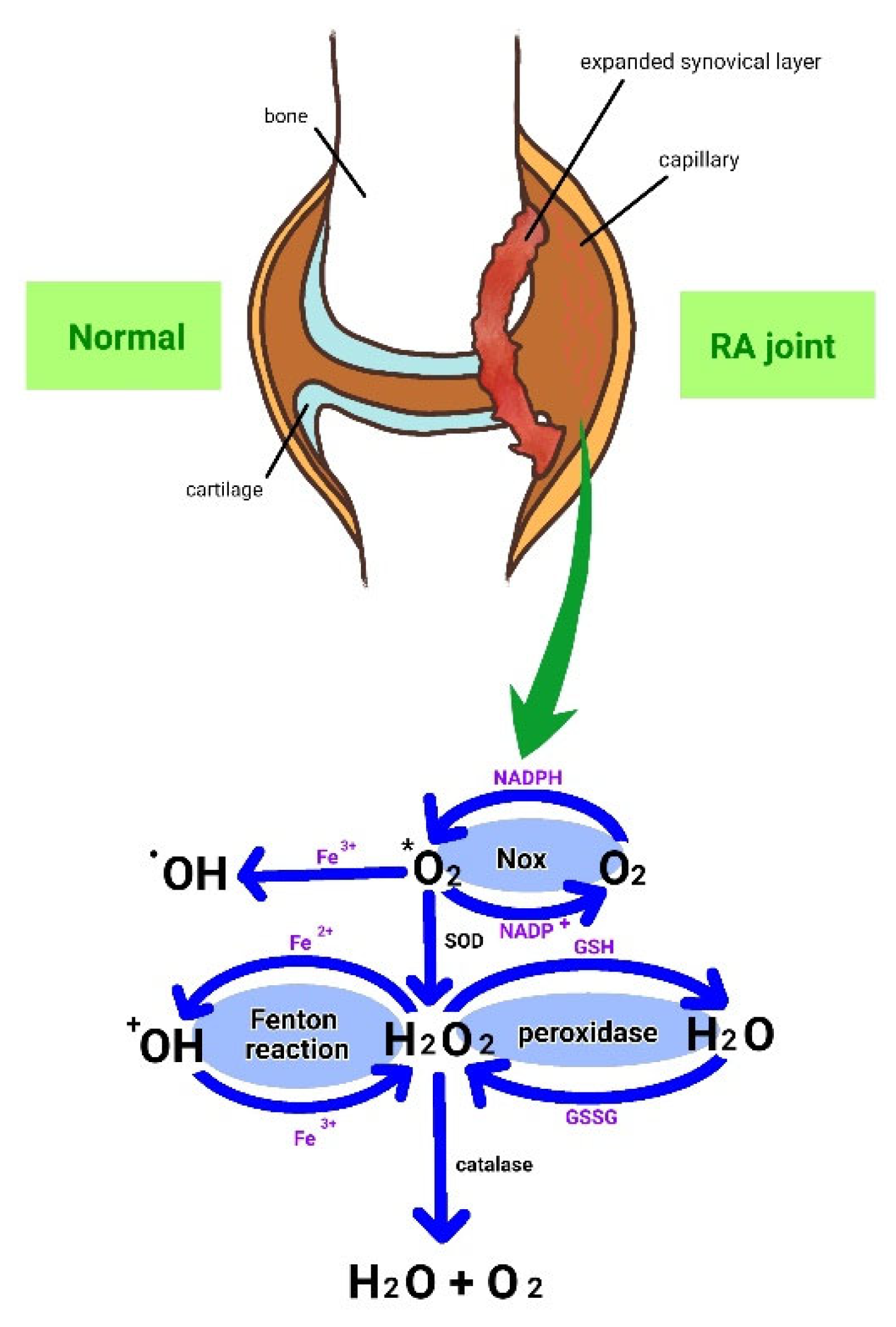
Your daily food choices can naturally boost your glutathione production: Sulfur-rich foods : Cruciferous vegetables (broccoli, cauliflower, kale) and allium plants (garlic, onions, leeks) contain compounds that support glutathione synthesis Selenium sources : Brazil nuts, brown rice, and mushrooms provide this essential cofactor for glutathione peroxidase activity High-cysteine proteins : Whey protein particularly excels at raising glutathione levels more effectively than other protein sources Precursors like NAC, selenium, and vitamin C We find that N-acetylcysteine (NAC) is perhaps the most effective glutathione booster for many of our patients
The effect of aging on acetaminophen pharmacokinetics, toxicity and Nrf2 in fischer 344 rats
In skin care, it inhibits melanin production by suppressing tyrosinase activity, leading to lighter and more even skin tone over time
Glutathione regulates melanin production to lighten pigmentation and restore natural glow
Typical formulations include 50-200mg of glycine per vial